Description
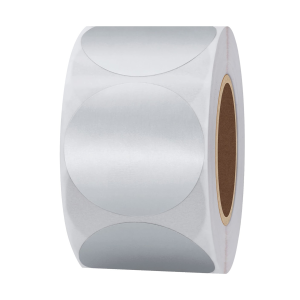
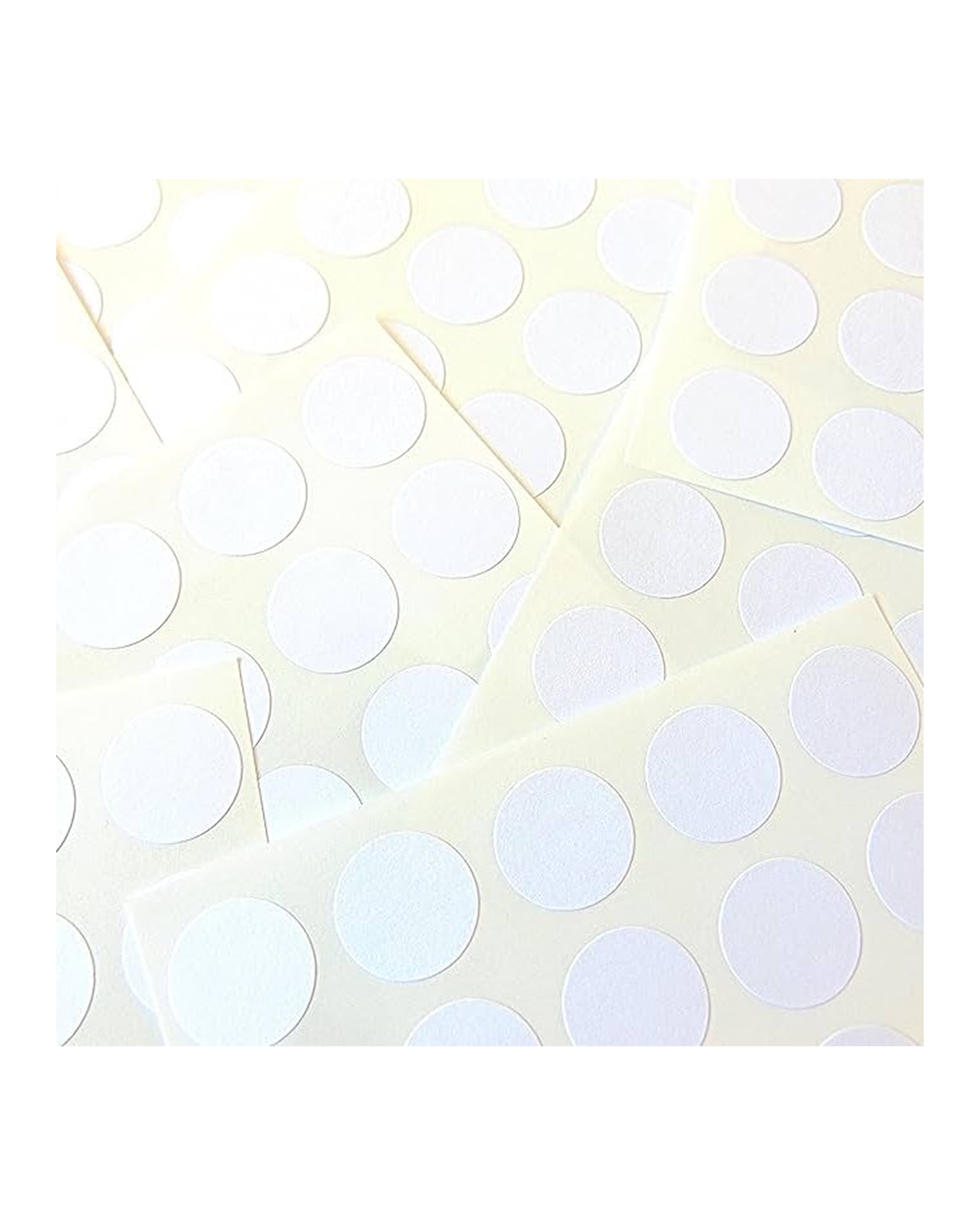
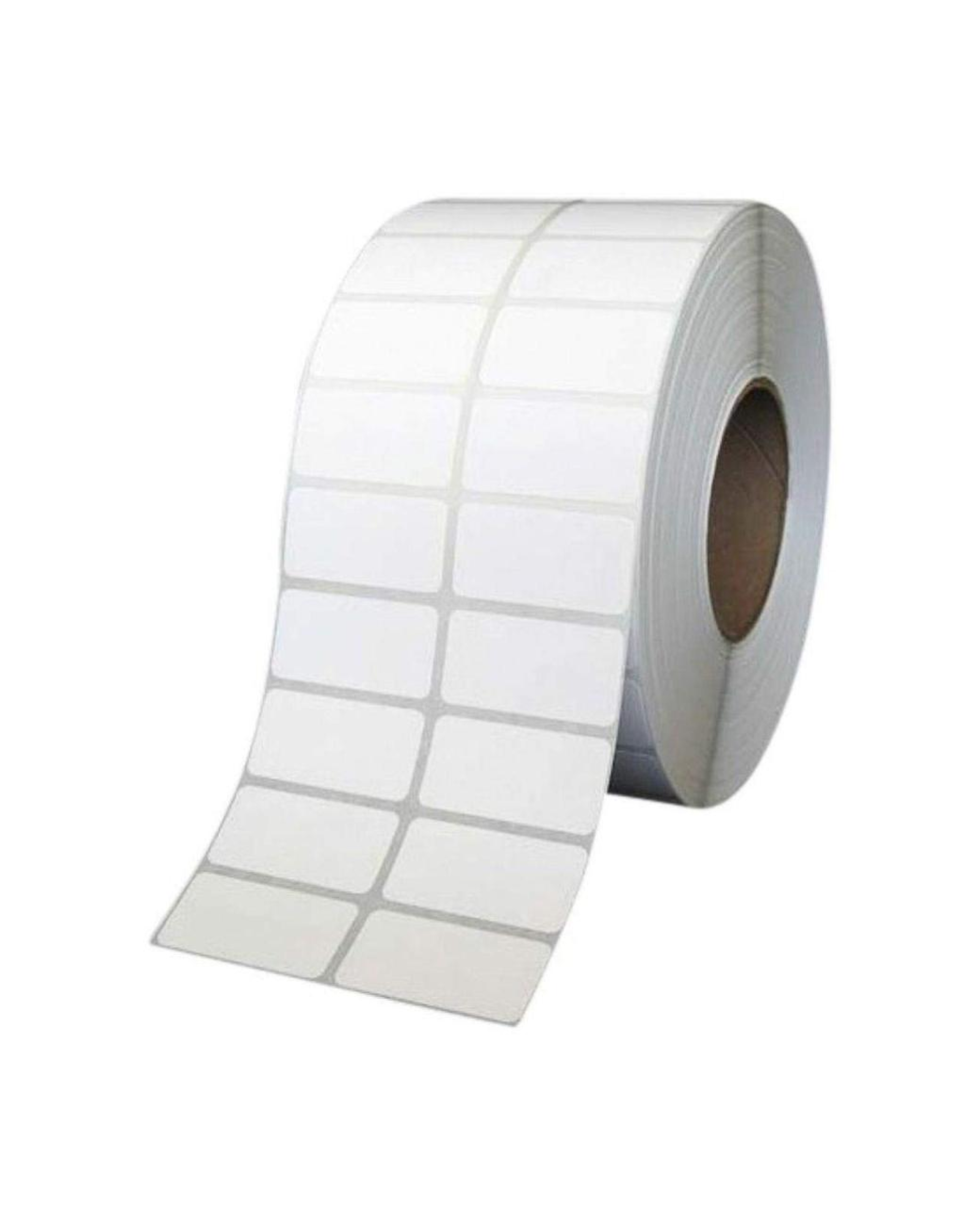
Barcode label rolls are paper-based labels, coated with or without dye and made from wood pulp, widely used commercially for product labeling and point-of-sale applications. Though the technology has been around for years, it remains highly effective and is used extensively across industries worldwide. Barcode labels come in two main printing technologies: Thermal Transfer Labels, which require a ribbon, and Direct Thermal Labels, which are pre-coated to absorb ink and print using the printer’s heat alone.
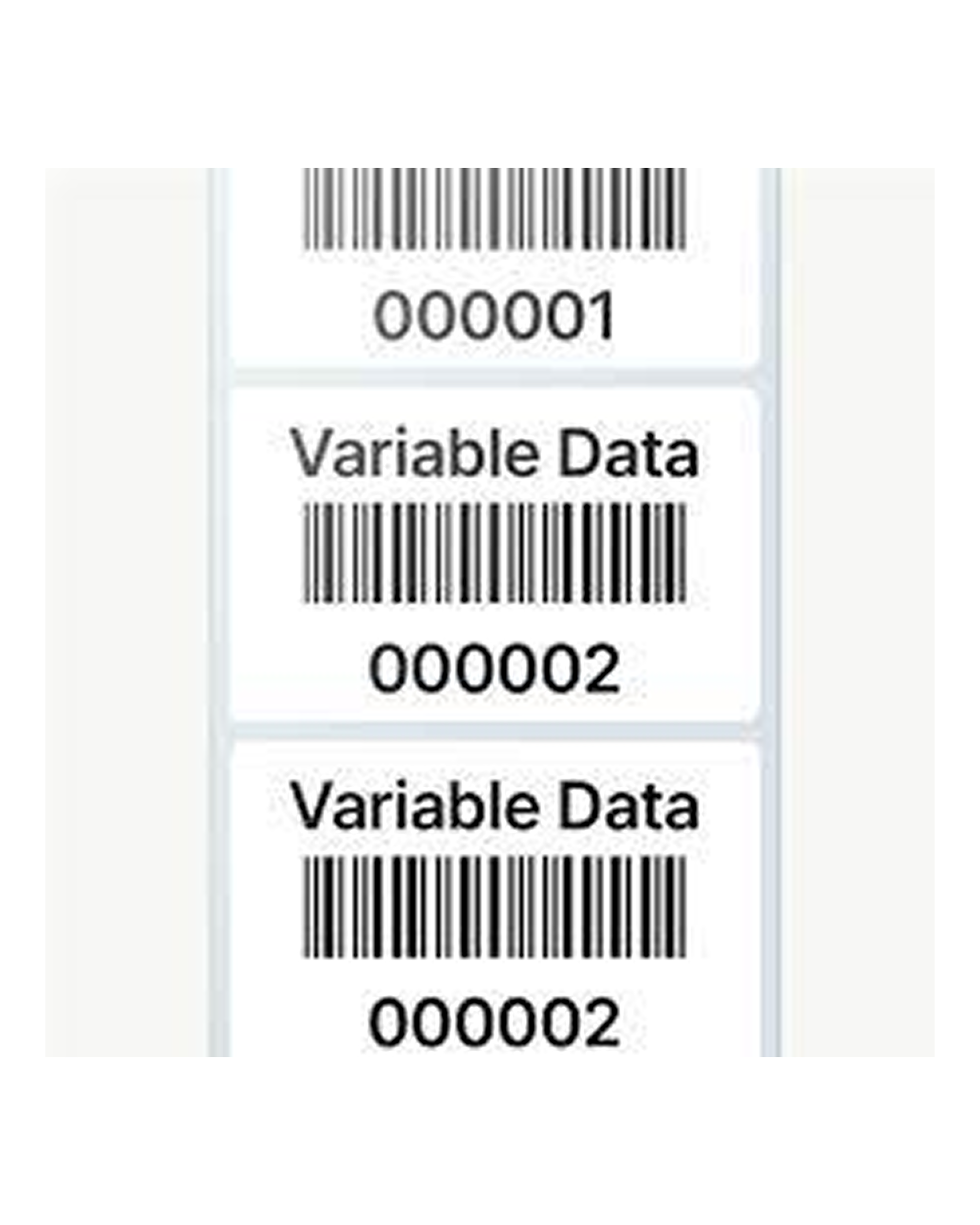
Barcodes themselves work on a coded system of bars with varying widths, heights, and spacing, which a barcode scanner reads to retrieve product information. While several barcode formats have existed over the years, the Universal Product Code (UPC) remains the most common and widely used version.
Uses of Barcode Stickers
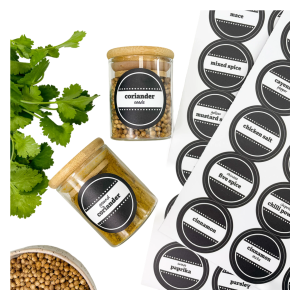
Barcode sticker rolls are used on a large scale across many industries for tasks including product labeling, machine tagging, packing material, packaging, document sealing, and price tagging. Common settings include superstores, pharmacies, laboratories, courier services, hospitals, food departments, bakeries, and restaurants.
Types of Barcode Labels
There are two major label categories to choose between:
- Direct Transfer Labels: Ink-absorbed, no ribbon required.
- Thermal Transfer Labels: Requires an ink ribbon for printing.
Within these categories, several sub-types are available:
- Plain Paper (Simple)
- Oil & Dirt Resistant
- Water Resistant
- High Temperature Resistant
- Battery Acid Resistant
- Cable Tie/Label
Sizes
Both Thermal Transfer and Direct Transfer labels can be fully customized there’s no fixed or standard size, as different industries require different label dimensions for their products. Sizing is typically measured by width and height (in inches or millimeters), along with the number of label columns required per printed line (1UP, 2UP, or 3UP). Standard printers support a maximum width of 4 inches.
The five most commonly purchased sizes are:
38mm x 28mm (approx. 1.25″ x 1″)
50mm x 25mm (2″ x 1″)
58mm x 40mm (approx. 1.25″ x 1.75″)
32mm x 25mm (approx. 1.25″ x 1″)
40mm x 20mm (approx. 1.75″ x 0.75″)
Additional available sizes include: 28mm x 19mm, 38mm x 25mm, 67mm x 38mm, 30mm x 19mm, 50mm x 50mm (2″ x 2″), 75mm x 50mm (3″ x 2″), 100mm x 50mm (4″ x 2″), 100mm x 75mm (4″ x 3″), and 100mm x 100mm (4″ x 4″).
Brands & Manufacturing
China is the largest global manufacturer of barcode paper, with China, Malaysia, and Korea being the primary producing countries. In Pakistan, two brands Fasson and M-MARK are the most commonly sold on demand, known for fine, well-adhesive, bright, high-quality, and long-lasting print results.
Who Can Use Barcode Sticker Rolls
Barcode sticker rolls are suitable for virtually any business, including superstores, medical centers, labs, bakeries, general stores, private firms, courier services, government sectors, schools, gift shops, and retail shops.
Pricing
For exact pricing, customers are advised to inquire directly with the sales department at sales@maxxamv.com.