Description
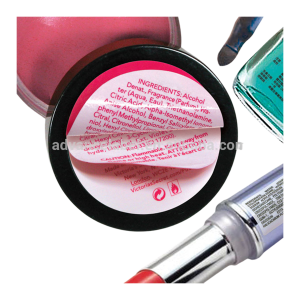
Chemical container labeling is one of the most effective ways to communicate hazard information, helping prevent accidents and injuries in workplaces that handle hazardous materials. Chemical manufacturers are required to follow labeling requirements on original container labels, and downstream users must also meet labeling requirements when transferring chemicals to secondary containers, labeling chemical waste, labeling UW-synthesized chemicals, labeling peroxide-forming chemicals, and labeling Chemicals of Interest under Department of Homeland Security rules.
The label on an original chemical container must be legible, written in English, and include the chemical or product name as shown on the SDS (Safety Data Sheet), along with the manufacturer’s name and address. Materials with illegible or missing label information should not be accepted.
Secondary Container Labeling
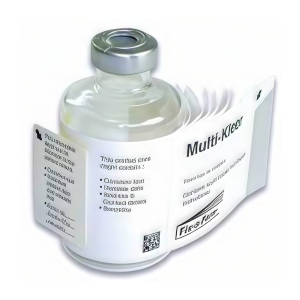
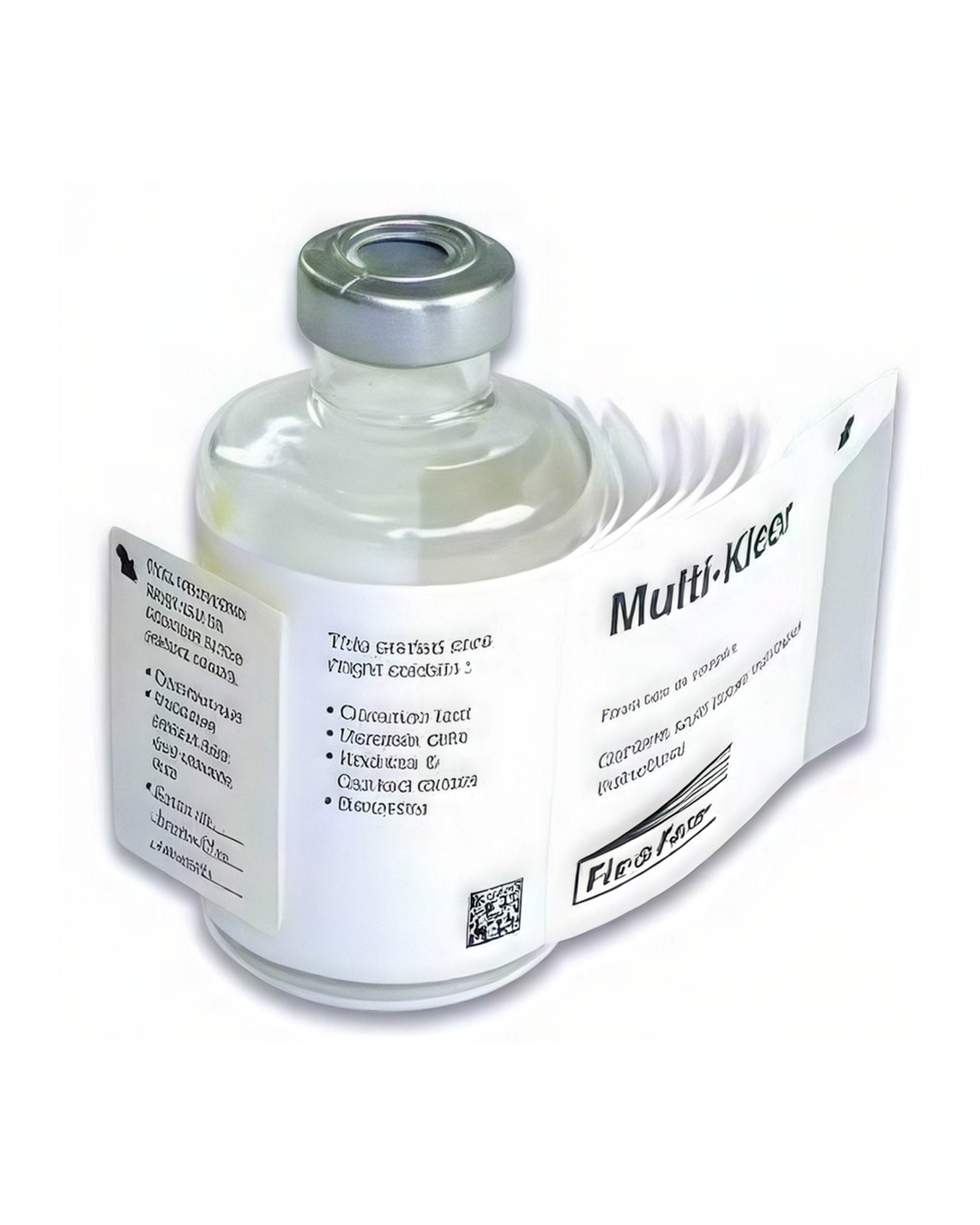
Many workplaces, including laboratories, shops, and other facilities, purchase hazardous chemicals or products in bulk, as concentrates, or for mixing with other chemicals. When a chemical is transferred to a smaller or different secondary container such as a vial, flask, or bottle for dilution, mixing, or general use, that secondary container must be correctly labeled so workers clearly understand its contents and associated hazards.
Secondary container labels are not required when both of the following apply:
- The reagent, stock solution, or mixed chemical remains under the direct control of the person who transferred or prepared it.
- The container will be emptied during that person’s work shift.
Label Templates
Four secondary chemical container label templates are available for use:
- Templates A & B: PDF fillable forms.
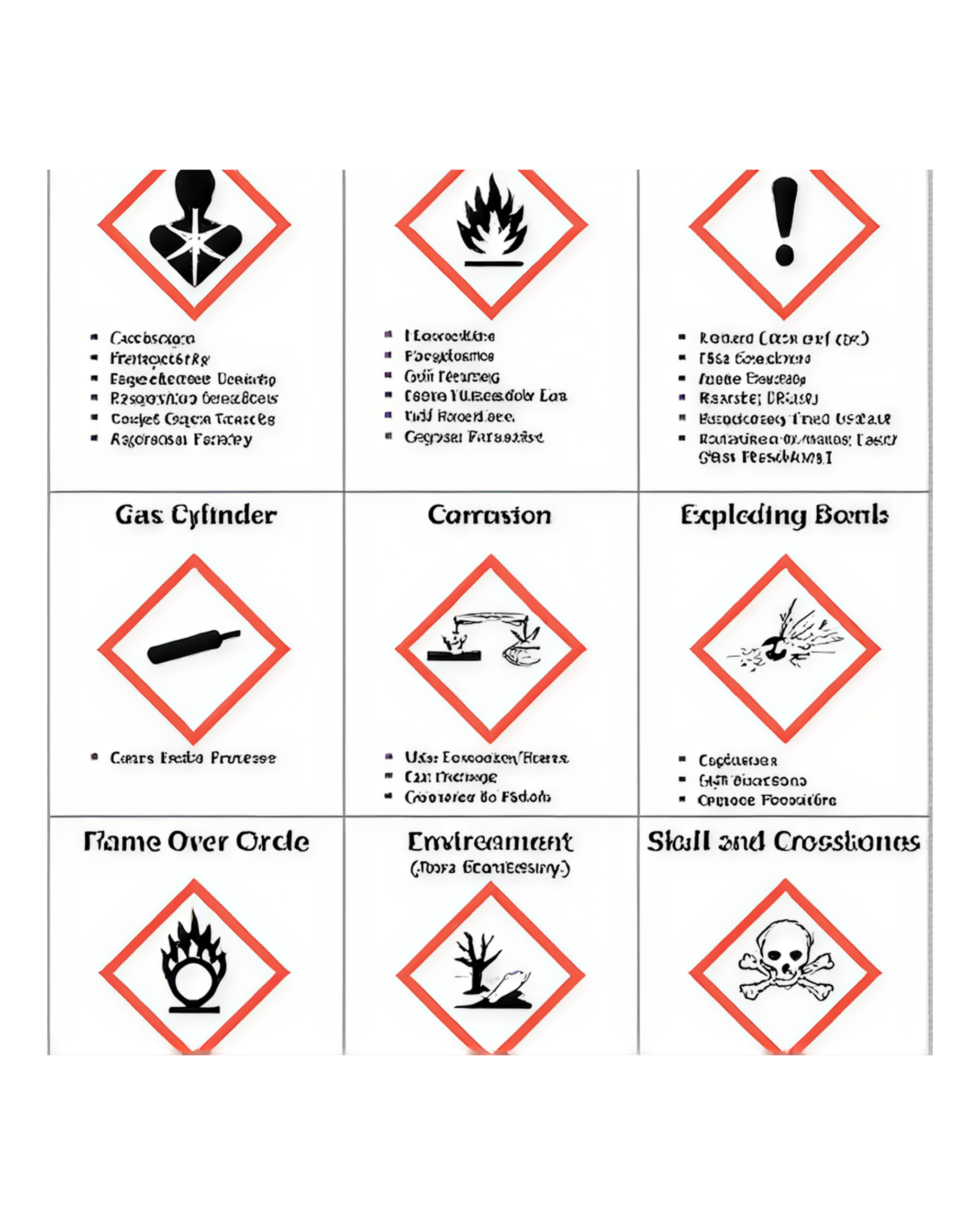
- Templates C & D: Word documents that display GHS pictograms.
- Templates A, B, and C are formatted for printing on the M-MARK MV-410 (2″ x 4″ labels, 8 per 8½” x 11″ page).
- All templates can be resized to fit smaller containers, with links and instructions provided for each.
Key Features:
- Regulatory Compliance: Supports labeling requirements for original containers, secondary containers, chemical waste, UW-synthesized chemicals, peroxide-forming chemicals, and Chemicals of Interest.
- Ready-Made Templates: Four label template options, including fillable PDFs and Word documents with GHS pictograms.
- Printer Compatibility: Templates formatted for direct printing on the M-MARK MV-410 barcode printer.
- Resizable Formats: Templates can be adjusted to fit containers of different sizes.
- Digital Label Printing: Labels can be printed using digital printing machines to achieve maximum print quality and readability, helping avoid safety incidents. Maxxam-V has in-house digital printing capability for chemical drum labels.
Where It’s Used
Chemical container and drum labels are used across:
- Laboratories: Labeling reagents, stock solutions, and mixed chemicals.
- Industrial & Manufacturing Facilities: Labeling original and secondary chemical containers.
Workplaces Handling Hazardous Materials: Supporting compliance with chemical waste, peroxide-forming chemical, and Chemicals of Interest labeling requirements.
With ready-made compliant templates, printer compatibility, and high-quality digital printing, these chemical container and drum labels help organizations communicate hazard information clearly and meet regulatory labeling requirements.