Description
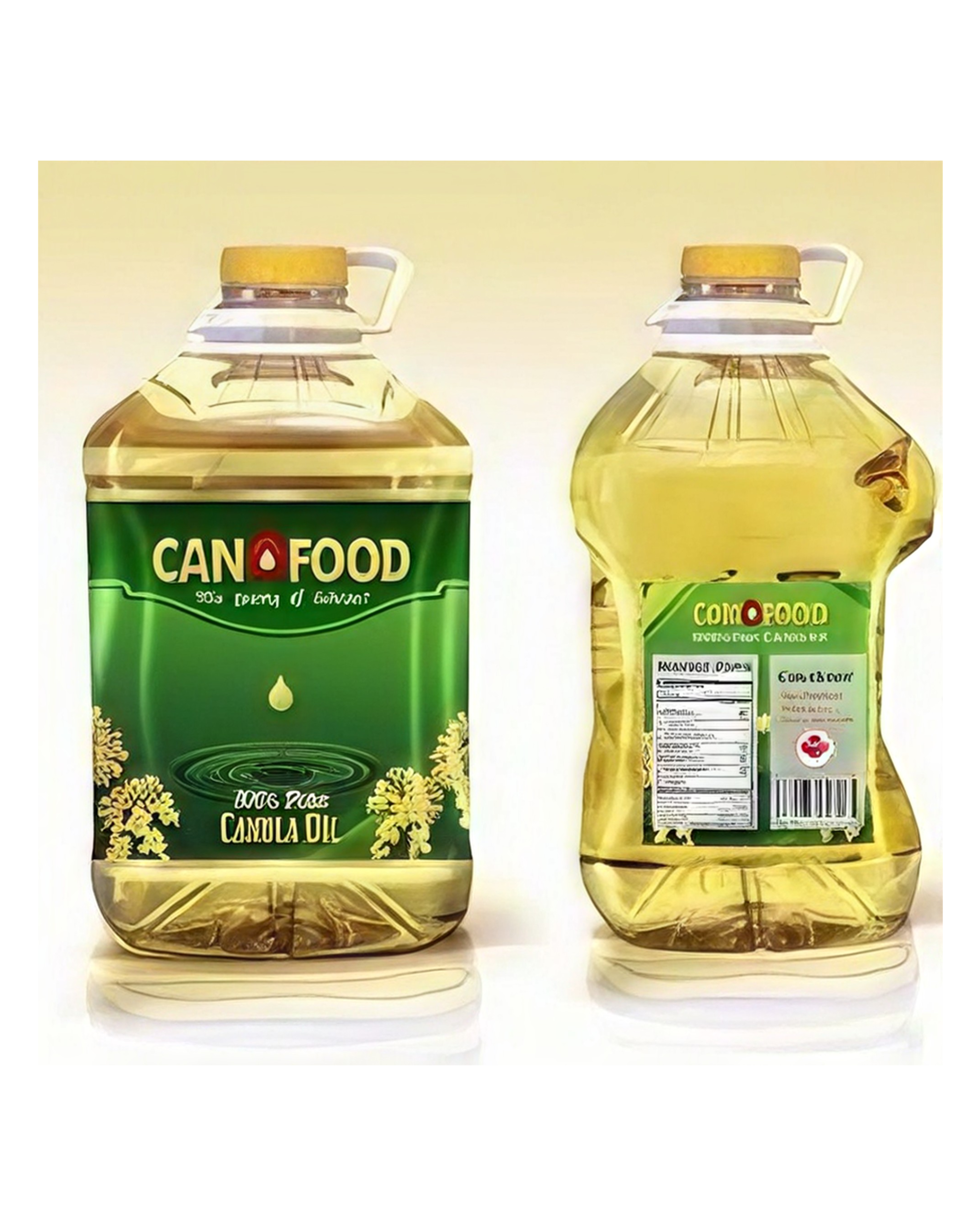
Cooking oil labels are adhesive labels placed on cooking oil bottles or containers to communicate essential product information including ingredients, nutritional facts, and usage instructions. Beyond regulatory compliance, these labels play a key role in branding and consumer awareness, helping products stand out on the shelf while giving consumers the information they need.
Why Cooking Oil Labels Matter
- Branding: Creates a recognizable product identity.
- Product Information: Communicates ingredients, nutritional value, and origin.
- Usage Instructions: Provides guidance on storage and consumption.
- Legal Compliance: Ensures adherence to food safety regulations and industry standards.
Applcations
Cooking oil labels are used on:
- Various oil types, including olive, sunflower, and canola oil.
- Oil packaging formats such as bottles, cans, and pouches.
- Promotional materials and gift sets.
Choosing the Right Label
Selecting the correct cooking oil label involves:
- Considering oil type, container shape, and size.
- Choosing a grease-resistant, durable label material.
- Designing an attractive, informative label.
- Ensuring compliance with legal and industry requirements.
Materials
Common materials used for cooking oil labels include:
- Paper-Based Materials: Coated paper or kraft paper.
- Synthetic Materials: Polypropylene, polyester, or vinyl.
- Grease-Resistant Adhesives: Formulated specifically for oil containers.
- Fade-Resistant Inks: High-quality inks for lasting, legible prints.
Application Best Practices
When applying cooking oil labels:
- Ensure the container surface is clean and dry before application.
- Apply the label smoothly to avoid bubbles or wrinkles.
- Align labels consistently across all containers.
- Confirm the adhesive can withstand various storage conditions and oil exposure.
- A label applicator is recommended for smooth, consistently aligned placement.
Production Details
- Raw Materials: Sourced from trusted suppliers including Avery Dennison, UPM Raflatac, and M-MARK.
- Production Processes: Printing, die-cutting, bronzing, laminating, digital printing, foiling, Corona treatment, and other specialized processes.
- Samples: Standard samples are available free of charge; custom size/design samples incur a sample fee, and the customer covers freight costs.
- Payment Options: L/C, T/T, and other standard payment methods.
- Minimum Order Quantity: 1,000 pieces a low MOQ designed to avoid unnecessary product and cost waste.
- Production Time: Generally 3-5 working days for small quantities; larger orders are confirmed based on quantity.
- Packaging: Stickers supplied in rolls or sheets, packed several rolls/sheets per clear bag, and several bags/sheets per carton.
- Delivery: 3-10 days via international express, by air or sea, through partnerships with DHL, FedEx, UPS, and other international carriers.
Key Advantages
21 Years of Production Experience: Long-standing expertise in label manufacturing.
High-Quality Assurance System: Rigorous quality control throughout production.
Factory Pricing: Competitive, direct-from-factory pricing.
Digital Printing Machine: Advanced production technology for precise, high-quality output.
Where It’s Used
Cooking oil labels are used across the food and beverage packaging industry, particularly for:
- Cooking Oil Manufacturers: Branding and information labeling for various oil types.
Packaging Formats: Bottles, cans, and pouches.
Promotional Items: Gift sets and promotional oil packaging.
With grease-resistant materials, fade-resistant inks, and flexible production options, these cooking oil labels provide a durable, compliant, and visually appealing labeling solution for oil manufacturers and packagers.