Description
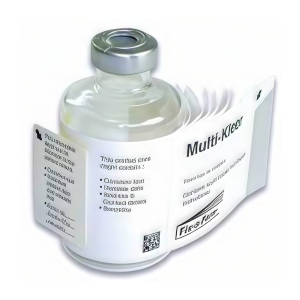
Multi-layer labels are layered labels printed and processed on specialized equipment using multi-layer self-adhesive collagen materials. They generally fall into three main types, each suited to different presentation needs.
Types of Multi-Layer Labels:
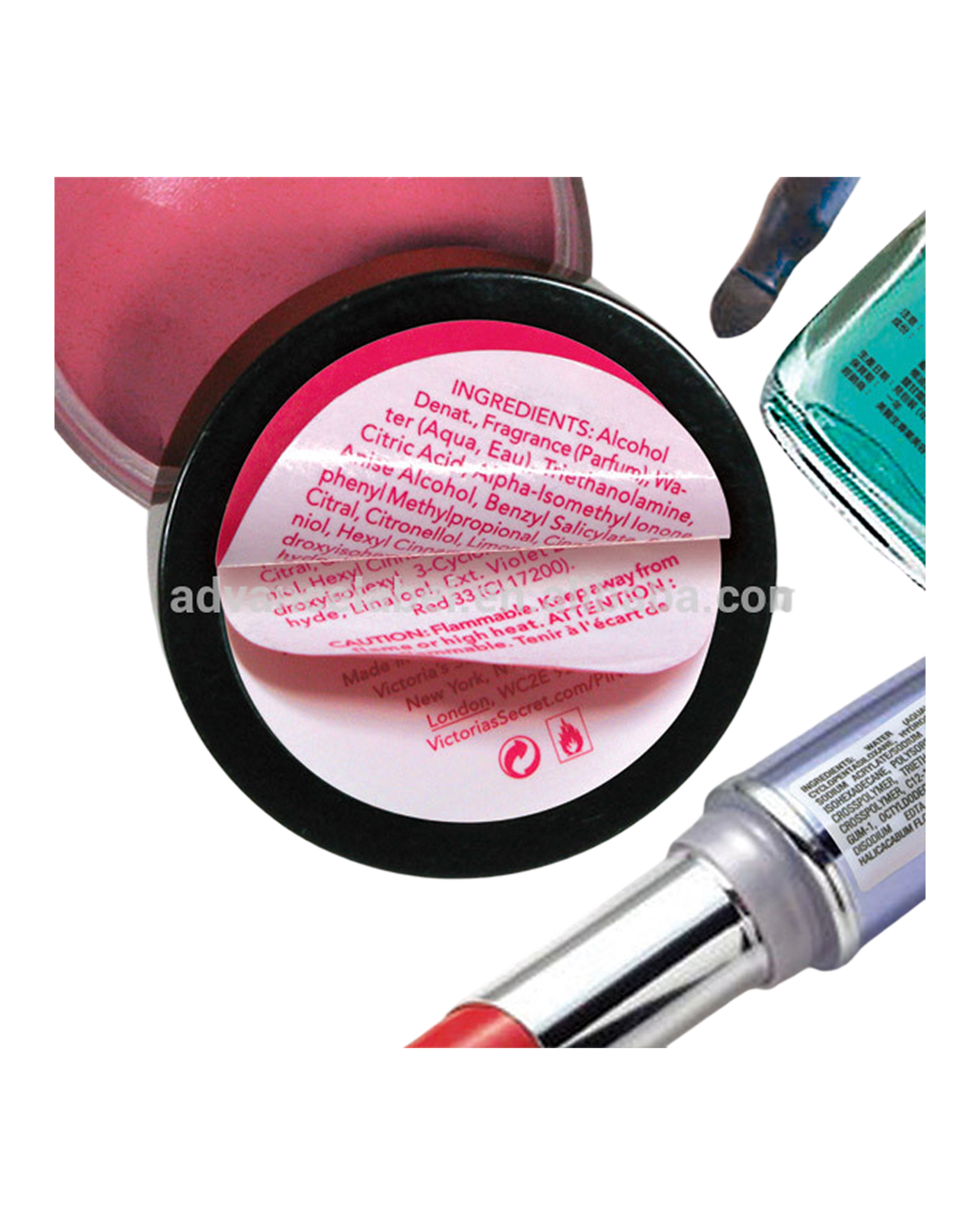
- Multi-Layer Composite Labels: Also known as multi-layer superimposed labels, these appear identical to a standard single label on the outside, but can be peeled back to reveal additional layers, each containing different information or graphics.
- Multi-Layer Folding Labels: Composed of multiple layers connected by a folding mechanism, similar to a booklet also referred to as spring, wave, or accordion folding labels. This format is ideal for presenting a large amount of information in a compact space.
- Multi-Layer Page-Turning Labels: Designed to reveal additional content through flipping or rotating, much like turning pages in a book, offering consumers an interactive, engaging way to discover hidden information.
How Multi-Layer Labels Are Made
Producing multi-layer labels requires specialized equipment and sophisticated craftsmanship, with production techniques varying by label type. Using multi-layer composite labels as an example, the main production process includes:
- Label Design & Printing: Label content is designed and printed using advanced techniques such as flexographic printing, digital printing, or offset printing, with each layer printed individually.
- Die-Cutting: Printed label paper is fed into a die-cutting machine, where custom dies cut the label stock into the desired shape and size.
- Lamination & Adhesive Application: Individual label layers are laminated together to ensure they adhere firmly, with adhesive applied to specific areas to allow the layers to stick together while still permitting easy separation when needed. A matte oil coating applied after printing can help facilitate peeling.
- Layer Stacking: The layers are carefully stacked and precisely aligned to create a cohesive, functional multi-layered label.
Where It’s Used
Multi-layer labels are particularly well suited to:
- Cosmetics: Presenting detailed ingredient lists, usage instructions, and branding information in a compact, layered format.
With composite, folding, and page-turning formats available, multi-layer labels offer cosmetics brands a versatile way to present detailed product information while creating an engaging, interactive unboxing or shelf experience for consumers.