Description
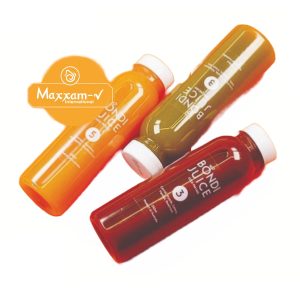
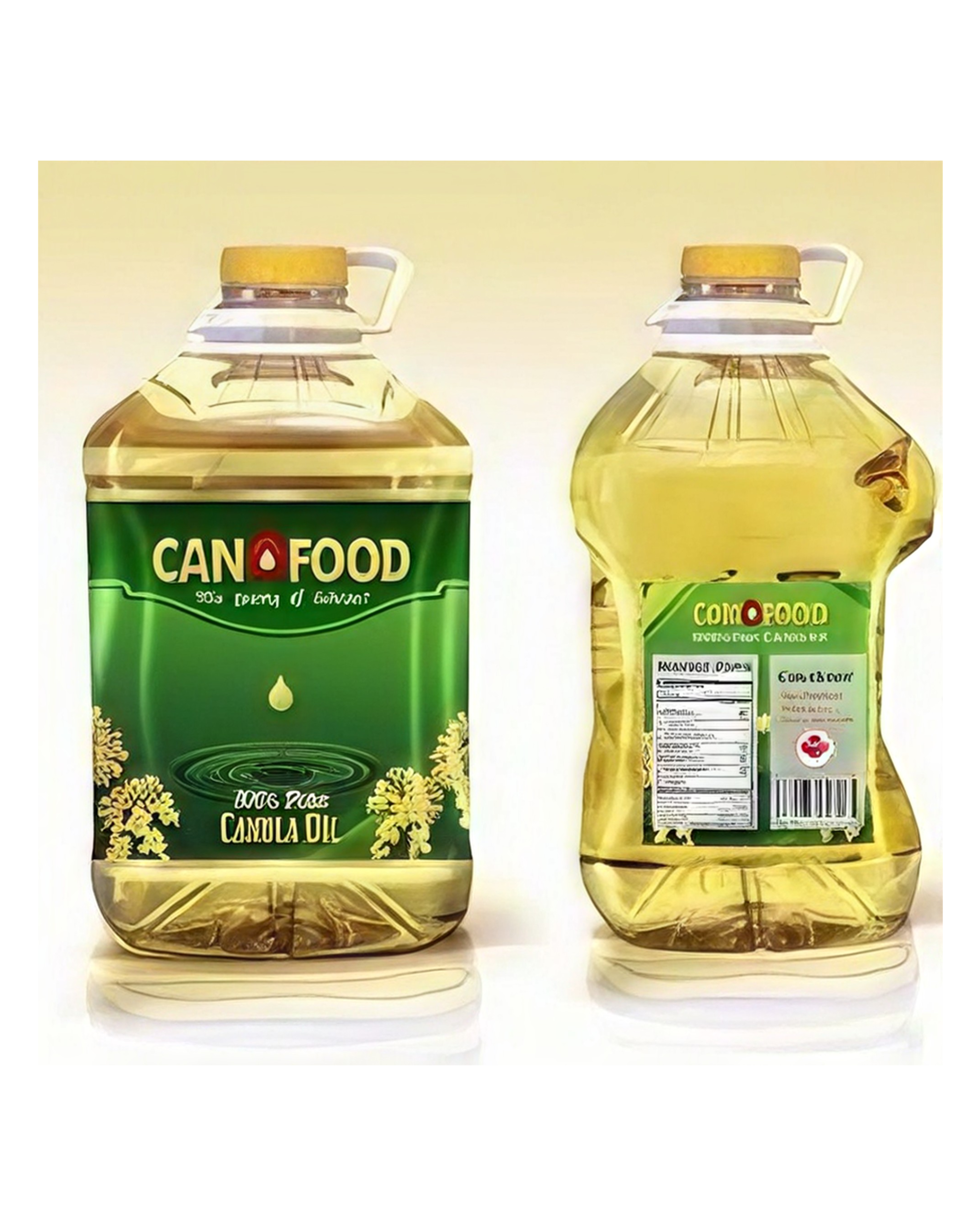
As food delivery has grown in popularity through restaurant delivery services and third-party apps like Food Panda, Cheetah, and Uber Eats consumer concern over food security during transit has grown alongside it. In response, the food industry has adopted tamper-evident labels and seals, a security technique long used in industries like automotive and electronics, now applied to food packaging.
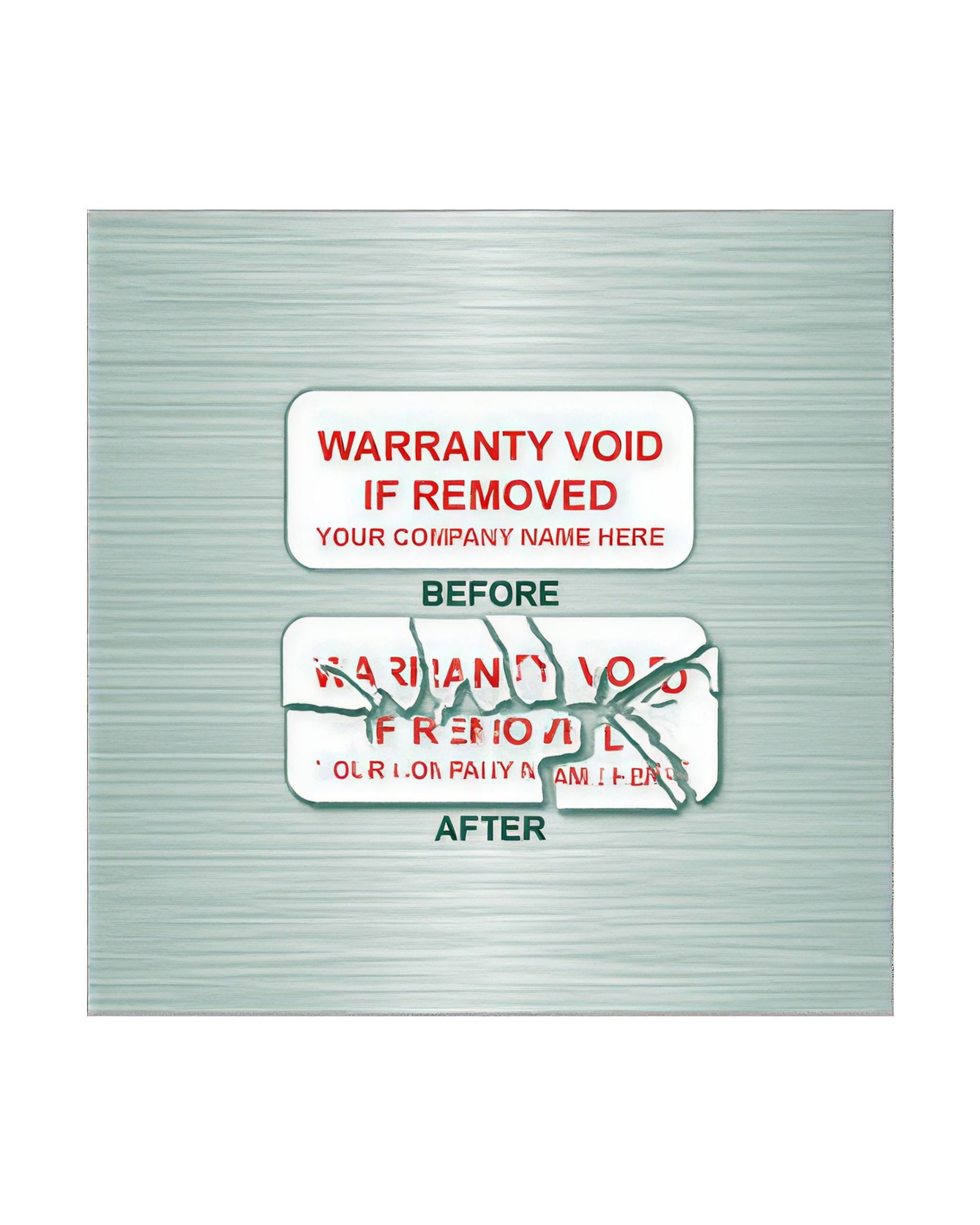
These labels are applied to food containers or packaging at the restaurant before the order leaves the facility, giving consumers reassurance that their food has remained untouched during delivery. The most common type features security slits: when the label is removed, it separates into pieces, providing clear evidence of tampering. These labels can be applied to a variety of substrates, including paper bags, plastic bags, cardboard containers, and plastic containers.
Design
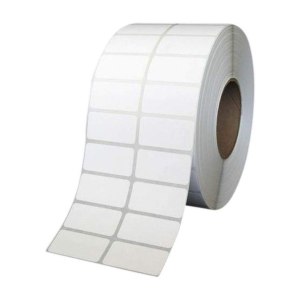
Tamper-evident food labels typically feature simple, clean designs with minimal graphics or text. Common elements include a restaurant logo, phrases like “Eat Well” or “Enjoy,” or the word “tamper-evident” itself. These labels come in various shapes and sizes, though most are small typically no larger than 2 to 3 inches and either rectangular or circular.
Other Markets
Beyond food delivery, tamper-evident labeling is used across several other industries, including:
- Hotel Security Labels: Placed across the door frame after room cleaning to indicate the room hasn’t been accessed since sanitization.
- Airplane Security Seals
- Rental Car Security Seals
- Health, Beauty & Pharmaceutical Packaging
- Mobile Phone Warranty Labels
Security Labeling Types
There are three main types of security labeling techniques, each suited to different protection needs:
- Tamper-Evident Labels: Printed on destructible substrates that visibly change or are destroyed when tampering occurs, such as removing or transferring the label. This can appear as the label ripping into pieces or the word “VOID” appearing repeatedly across the label area.
- Authentication Labels: Incorporate visible or hidden security features that are difficult to copy or imitate. Visible features include barcodes, special inks, holograms, watermarks, and embossing. Hidden features include invisible images or text, hidden barcodes, digital authentication markers, and retro-reflective or optical variable devices, verifiable using special lighting, magnification, or technology.
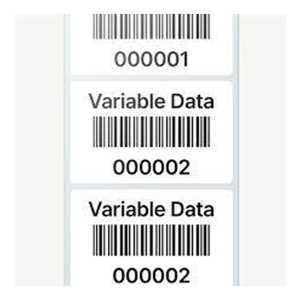
- Track and Trace Labels: Visible or hidden markers added to products, pallets, or shipping containers, monitored throughout the supply chain using specialized data management technology. This allows products to be traced from production to the consumer, helping verify authenticity and detect tampering along the way.
Where It’s Used
Food security and tamper-evident labels are used across:
- Food Delivery & Restaurants: Sealing food containers and packaging before delivery to reassure customers of order integrity.
- Hospitality: Hotel room security seals confirming rooms haven’t been accessed after cleaning.
- Transportation: Airplane and rental car security seals.
- Health, Beauty & Pharmaceutical: Tamper-evident packaging for sensitive products.
- Electronics & Warranty: Mobile phone warranty labels indicating unauthorized access.
With options spanning tamper-evident, authentication, and track-and-trace technologies, these security labels offer flexible protection solutions tailored to different product and industry needs.